Health Systems & Informatics
Moving Beyond the Paper Folder: Why African Health Systems Need Applied Health Informatics Now
Ugwu Tochi Peace · 6 min read ·

For generations, the health records department in many health facilities across Africa has been viewed as a back-office archive: corridors lined with heavy metal shelves, cardboard folders, manual tracer cards, and ledgers tracking physical folder movements.
While physical records served their era, modern disease burdens, decentralized health networks, and rapid technological adoption mean that static filing systems are no longer sufficient.
When patient records remain trapped in physical paper folders:
- Continuity of care can break down when patients visit different facilities or departments.
- Public health reporting can experience severe delays, turning epidemic surveillance into a retrospective exercise rather than real-time containment.
- Clinical data quality can deteriorate because of illegible handwriting, missing registers, and manual tallying errors.
The transition toward digital health is not just about replacing paper with computers; it is about evolving the Health Information Management (HIM) professional into a proactive health data steward.
1. From Passive Filing to Active Data Governance
A common misconception in digital transformation is that buying laptops and software solves health record challenges. Without rigorous data governance, digitizing health records can simply digitize existing errors.
PAPER-LOCKED SYSTEMS
Siloed, delayed reporting, vulnerable to physical loss, high audit fatigue.
INTEGRATED DIGITAL INFORMATICS
Real-time surveillance, automated validation, patient continuity.
Applied health informatics requires professionals who understand:
Standardized Terminology
Ensuring clinical documentation follows recognized classifications, such as ICD-10 or ICD-11 where applicable, for accurate morbidity tracking.
Access Control and Patient Privacy
Enforcing strict role-based access to sensitive clinical records and protecting confidentiality in accordance with applicable national data-protection requirements.
Information Lifecycle Management
Establishing clear policies for data retention, archiving, access, and secure digital disposal.
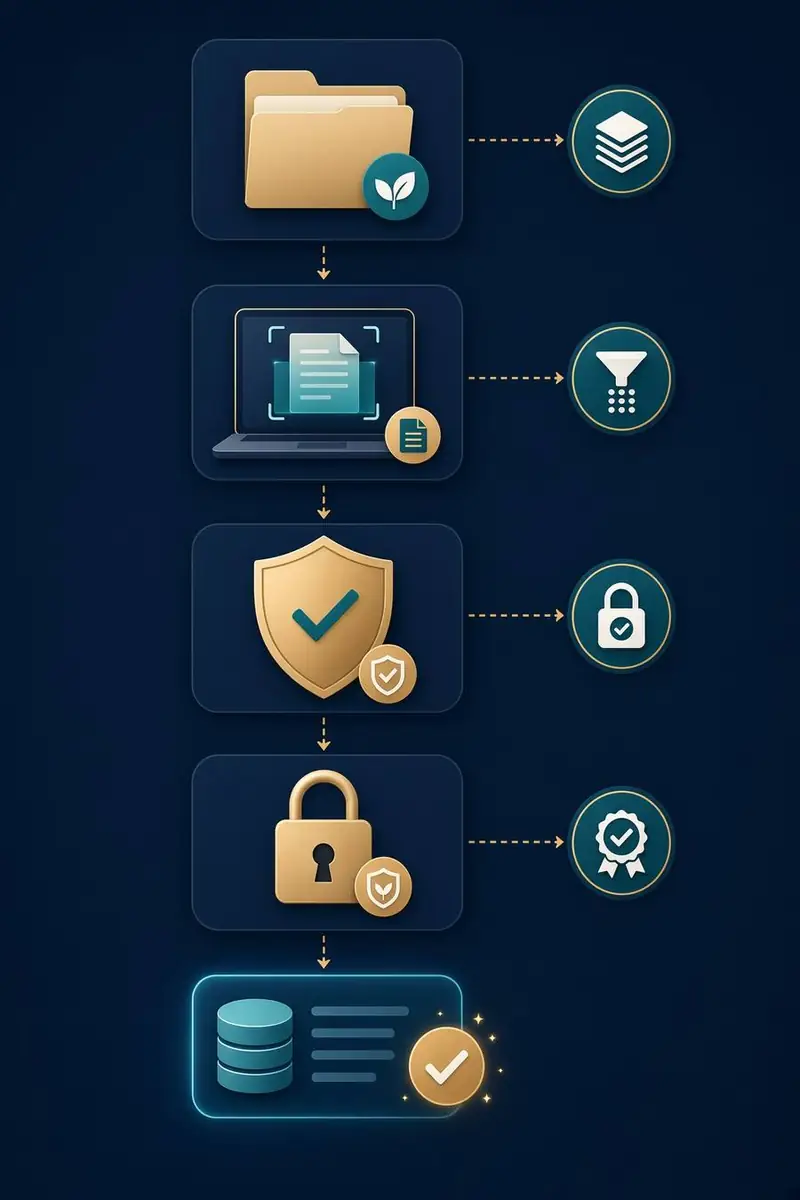
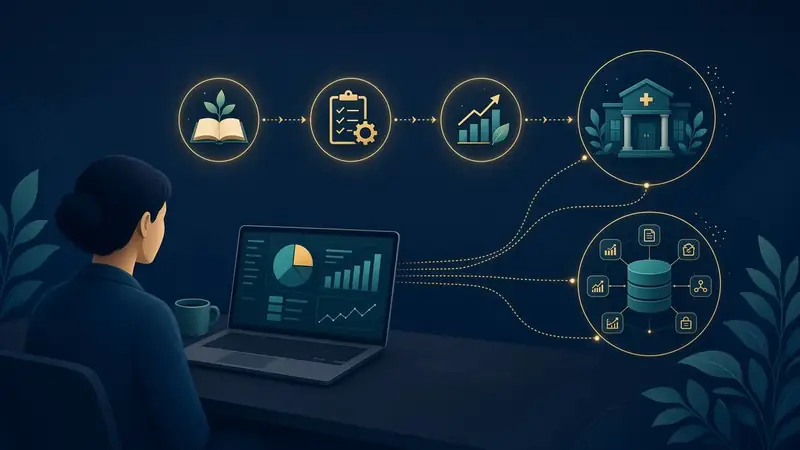
- Paper records
- Digitization
- Data governance
- Privacy and access control
- Trusted health information
2. Routine Health Information as the Backbone of Public Health
In low-resource settings, primary health centers (PHCs) form an important part of the health system. The data gathered at these facilities feeds national health information platforms such as DHIS2, helping inform decisions about health programs, resources, services, and emerging public health priorities.
When health information professionals are equipped with modern data-audit techniques—such as Routine Data Quality Assessments (RDQA)—they help bridge the gap between clinical encounters and national policy decisions.
They transform raw clinic totals into trusted information that health ministries, global health partners, and NGOs can use for planning, monitoring, and decision-making.
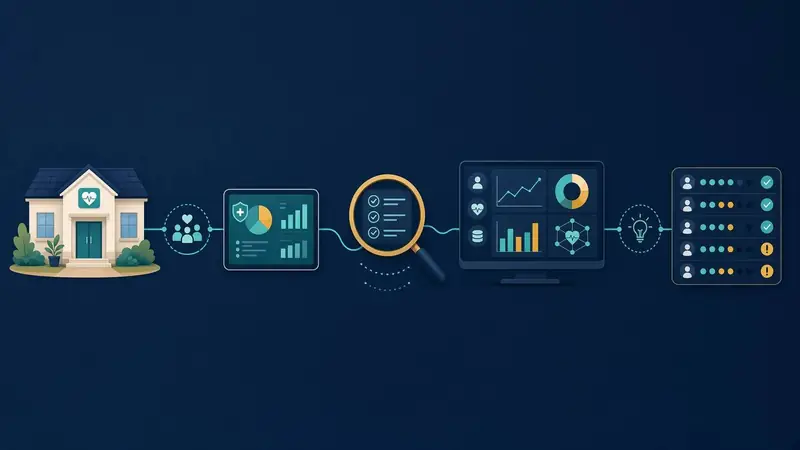
- Primary health centre
- Data collection
- Data quality checks
- DHIS2 / health information system
- Analysis
- Public health decisions
3. The Digital Workforce Gap
International donors and governments continue to invest in electronic medical records (EMRs), digital health platforms, and surveillance systems. Yet some digital health initiatives struggle with adoption, sustainability, data quality, or integration.
One important factor is the training gap.
Clinicians are often focused on patient care, while technical specialists may not have the same depth of understanding of clinical workflows, health information practices, or medical-record requirements.
The HIM professional can sit at the center of this ecosystem: grounded in health workflows, knowledgeable about health information management and confidentiality, and capable of working with digital health and data systems.
This creates an opportunity for HIM professionals to expand beyond traditional records management and develop skills in digital health, health informatics, data quality, M&E, and public health information systems.
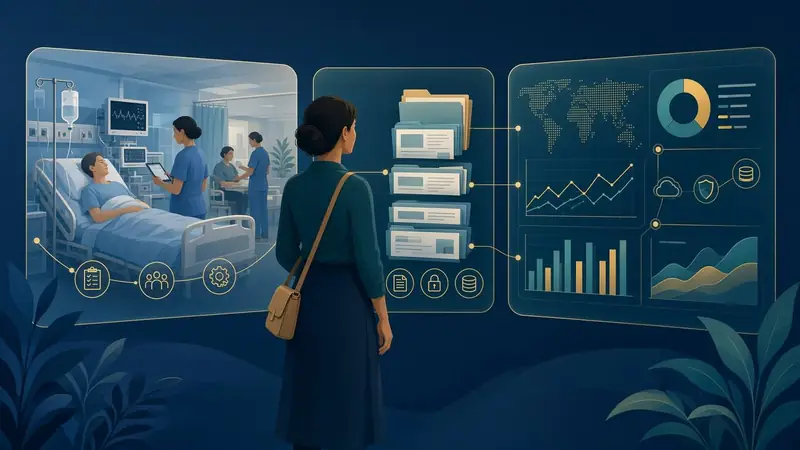
- Clinical workflows
- Health information
- Digital technology
The Mission of HIMForward
To build resilient health systems, Africa needs health information professionals who are as comfortable managing digital databases and aggregate indicators as they are safeguarding patient confidentiality and maintaining high-quality health information.
Moving beyond the paper folder is not simply a technological upgrade—it is an operational requirement for more connected, data-informed, and responsive healthcare systems.
At HIMForward, we are dedicated to providing practical, accessible learning that helps the next generation of health information and digital health professionals build relevant skills for modern healthcare and emerging career opportunities.
Join the next generation of digital health leaders.
Start building your skills today.